Guides · Hands
Pointing Hand Reference: Photos From the Side
Reference photos of a pointing hand seen from the side, turned between sixty and one hundred and twenty degrees from facing the camera. Four landmarks change at this angle, and each has a common mistake.

HaGRID, HaGRID public licence (attribution + share-alike) 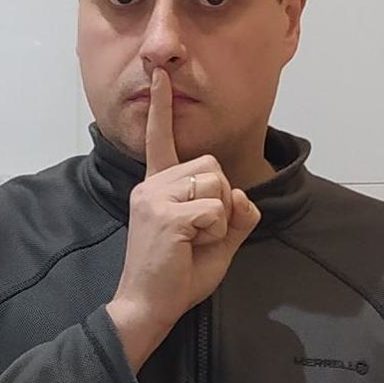
HaGRID, HaGRID public licence (attribution + share-alike) 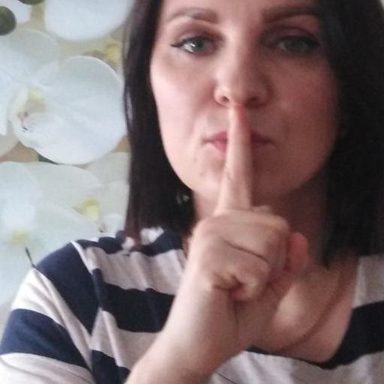
HaGRID, HaGRID public licence (attribution + share-alike) 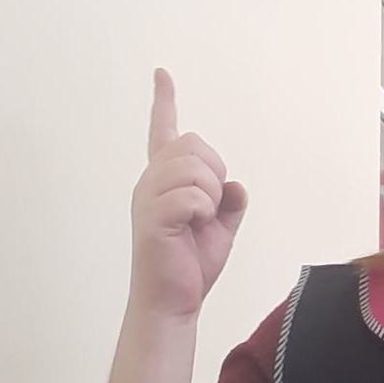
HaGRID, HaGRID public licence (attribution + share-alike) 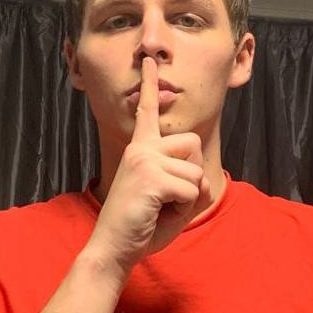
HaGRID, HaGRID public licence (attribution + share-alike) 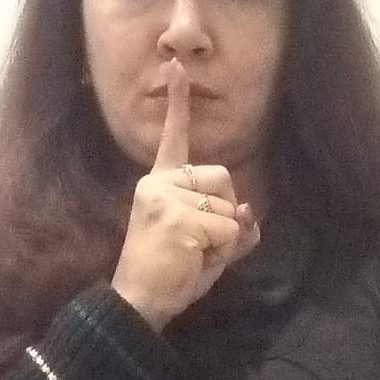
HaGRID, HaGRID public licence (attribution + share-alike) 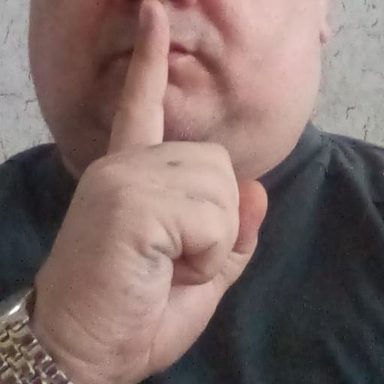
HaGRID, HaGRID public licence (attribution + share-alike) 
HaGRID, HaGRID public licence (attribution + share-alike) 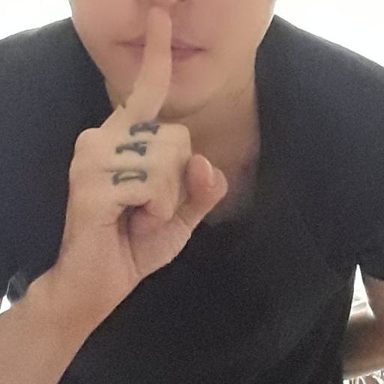
HaGRID, HaGRID public licence (attribution + share-alike) 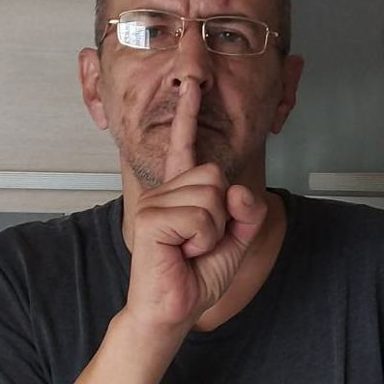
HaGRID, HaGRID public licence (attribution + share-alike) 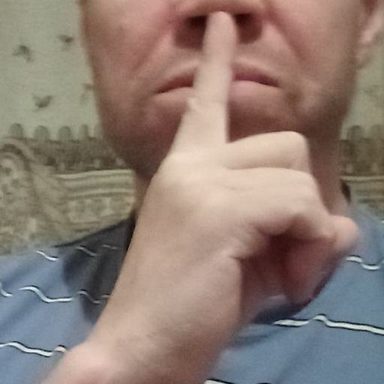
HaGRID, HaGRID public licence (attribution + share-alike) 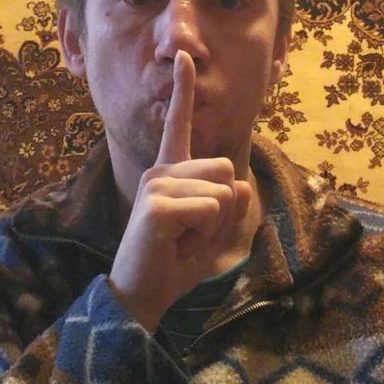
HaGRID, HaGRID public licence (attribution + share-alike)
What changes at this angle
- The index finger's big knuckle stands out as a sharp bump at the base of the pointing finger.
- The pointing finger tapers toward the tip.
- From the pinky edge, the folded fingers hang below the line of the pointing finger.
- The back of the hand and the pointing finger make a near-straight line from the wrist to the fingertip.
What goes wrong
- Running the pointing finger out of a smooth, knuckle-less hand, so the finger reads like a stick glued to a mitten.
- Hiding the folded fingers behind the pointing finger, so the hand reads as a flat paddle.
- Drawing the finger as a tube of even width with three equal segments, so the finger reads like a dowel and the point loses its direction.
- Bending the pointing finger up from the hand like a hook, so the gesture reads as beckoning or asking a question rather than pointing.
Try it
Open the same side view in the hand search and turn the hand to see the full set of results.