Guides · Hands
Hand From the Wrist Side: Edge-On Reference Photos
Reference photos of a hand seen edge-on from the pinky side, turned between seventy and one hundred and ten degrees from facing the camera. The palm faces to one side and the back of the hand to the other.

HaGRID, HaGRID public licence (attribution + share-alike) 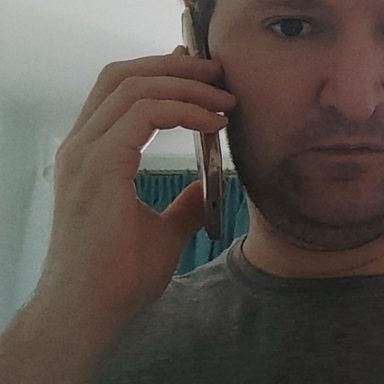
HaGRID v2, HaGRID public licence (attribution + share-alike) 
HaGRID, HaGRID public licence (attribution + share-alike) 
HaGRID v2, HaGRID public licence (attribution + share-alike) 
HaGRID, HaGRID public licence (attribution + share-alike) 
HaGRID v2, HaGRID public licence (attribution + share-alike) 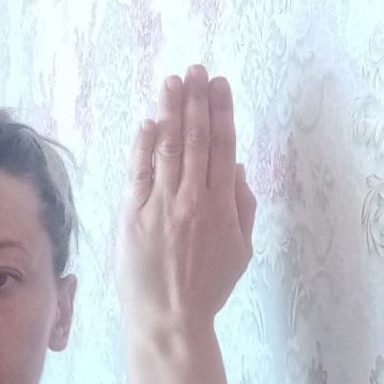
HaGRID, HaGRID public licence (attribution + share-alike) 
HaGRID, HaGRID public licence (attribution + share-alike) 
HaGRID, HaGRID public licence (attribution + share-alike) 
HaGRID v2, HaGRID public licence (attribution + share-alike) 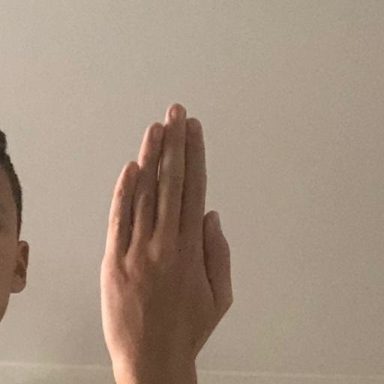
HaGRID, HaGRID public licence (attribution + share-alike) 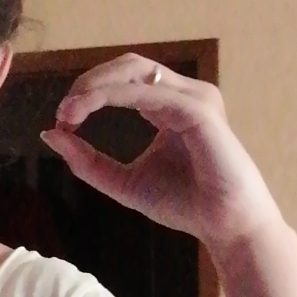
HaGRID v2, HaGRID public licence (attribution + share-alike)
What changes at this angle
- From the pinky edge, the hand reads as a thin wedge, thickest at the wrist and tapering to the fingertips.
- The little finger is nearest the viewer and covers most of the other fingers when they are held together.
- The palm side and the back of the hand show as two different edges, a soft padded line on the palm side and a flatter, bonier line on the back.
- The wrist shows a bony bump on the pinky side just before the hand begins.
What goes wrong
- Drawing the hand as thick at the fingers as at the palm, so the hand reads like a paddle or a flipper rather than a wedge.
- Drawing all four fingers side by side from an edge-on view, so the hand reads as half turned toward the viewer and the edge view is lost.
- Drawing both edges of the hand as the same straight line, so the hand reads as a flat board and nobody can tell palm from back.
- Drawing the forearm flowing into the hand with no wrist bone, so the arm reads as a tube with a paddle on the end.
Try it
Open the hand search at the same side view and turn the hand yourself.