Guides · Heads
Head Looking Up: Reference Photos and What Changes
Reference photos of a head looking up: the chin raised between thirty and sixty-five degrees, the face turned toward the camera. Open the same search in Angle Ref to turn the angle yourself.
Chris Mok || @cr.mok, Unsplash License 
Citizen 4474, CC BY 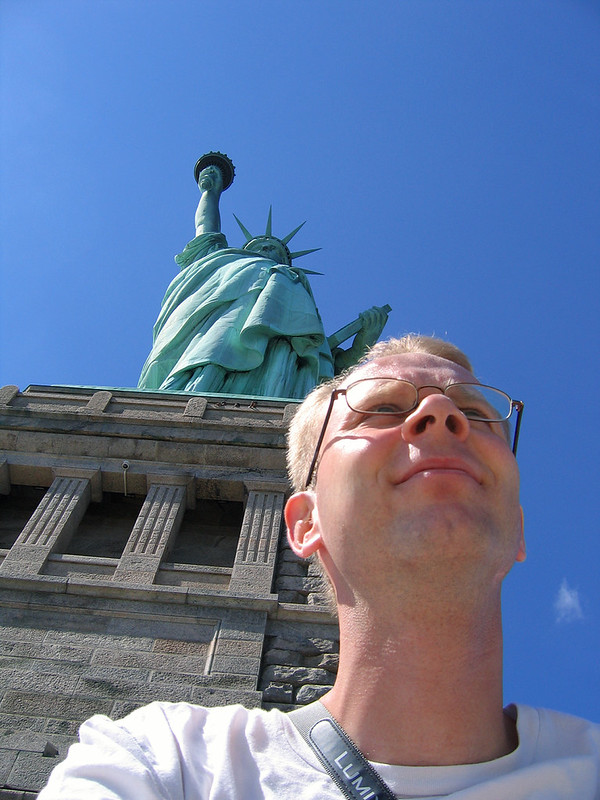
Stig Nygaard, CC BY Siednji Leon, Unsplash License ARTO SURAJ, Unsplash License Jason Edwards, Unsplash License Timothy Barlin, Unsplash License Gabriel Martin, Unsplash License Soroush golpoor, Unsplash License Vitaliy Shevchenko, Unsplash License Chirag Dulyan, Unsplash License Chermiti Mohamed, Unsplash License


What changes at this angle
- The underside of the nose shows, and the nostrils read as two dark shapes above the upper lip.
- The ears sit lower than the eyes, with the top of each ear below the line of the brows.
- On a closed, neutral mouth the mouth line curves upward in the middle, with the corners sitting lower than the centre.
- The underside of the jaw becomes a visible plane between the chin and the throat.
- The forehead takes up less of the face, and the hairline sits close above the brows.
What goes wrong
- Drawing the nostrils as seen from the front and only tilting the outline of the nose, so the nose reads pasted on and the head never leaves the level view.
- Keeping the ear tops level with the brows, so the face reads as a level portrait with a stretched neck rather than a head tilted back.
- Drawing a straight or down-curved mouth on a head that is tilted back, so the mouth reads glued on from a level portrait and the lower face looks flat.
- Running the chin straight into the neck with no plane between them, so the head reads as a mask hung on a column.
Try it
Open the same angle in the head search and turn the skull to see the full set of results.