Guides · Heads
Face From Above: Bird's Eye Reference Photos
Reference photos of a face seen from above: the camera high over the head, the chin dropped between fifty and ninety degrees. Each photo below is a real person at that angle, with the landmarks that move listed underneath.
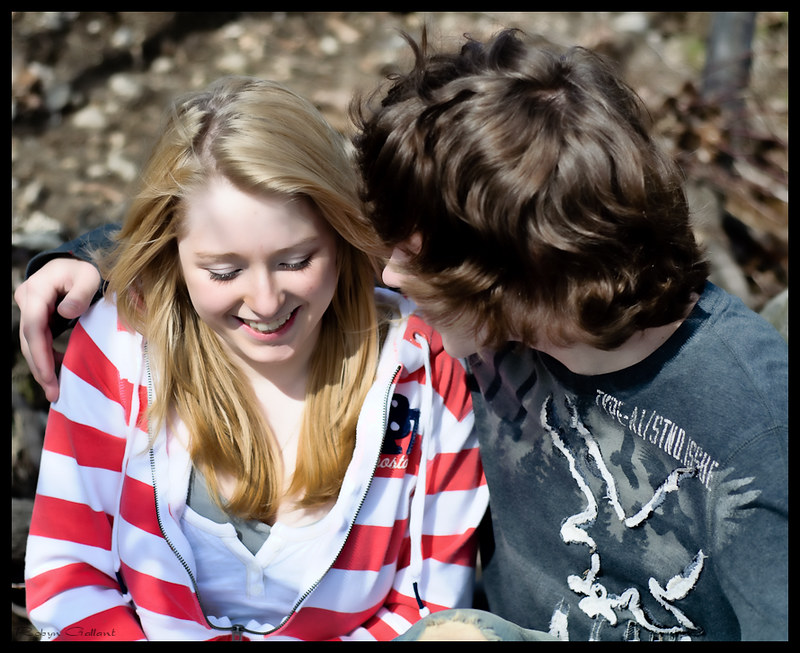
rgallant_photography, CC BY 
Annpertt, CC BY-SA Vikas Rohilla, Unsplash License 
Miguel Discart & Kiri Karma, CC BY-SA 
Jeangagnon, CC BY-SA FERNANDO TRIVIÑO, Unsplash License hessam nabavi, Unsplash License 
Miguel Discart & Kiri Karma (Photos Vrac), CC BY-SA 
Fquasie, CC BY-SA Sora Sagano, Unsplash License Colin Avery, Unsplash License 
erin leigh mcconnell, CC BY


What changes at this angle
- More of the top of the head shows, and the crown or the hair parting comes into view. The hair or scalp above the hairline takes up a large part of the head's outline.
- The nose tip drops over the upper lip and covers part of the space between the nose and the mouth. The outline of the nose tip overlaps or touches the upper lip.
- The forehead reads longer than the stretch from the brows to the base of the nose. Measure brow to hairline against brow to nose base.
- The chin shortens and the mouth sits close above the jaw line. Little or no chin shows below the lower lip.
- The outline of the head narrows sharply below the cheekbones. The widest part sits at the temples or above, and the jaw is a small wedge at the bottom.
What goes wrong
- Leaving a clear gap between the nose and the mouth, as in a level view.
- Keeping the forehead, nose and lower face as equal thirds.
- Giving the chin its full height, which pushes the mouth too high in the face.
- Drawing a square jaw as wide as the skull.
Try it
Open the same angle in the head search and turn the skull to see the full set of results.